American Sign Language

American Sign Language
Welcome!
Did you know that American Sign Language (ASL) is one of the most widely used languages in the United States? ASL is a complete, natural language with its own grammar, syntax, cultural traditions, and history. It is the primary language of many Deaf and hard-of-hearing individuals throughout the U.S., parts of Canada, and many other countries around the world. ASL is expressed through handshapes, facial expressions, body movements, and space. It is a rich, three-dimensional visual language and an important part of Deaf culture and communities.
Benefits of Learning American Sign Language
Learning ASL allows you to communicate directly with Deaf and hard-of-hearing individuals while developing valuable intercultural communication skills. ASL proficiency is increasingly sought after in education, healthcare, social services, counseling, interpreting, business, government, customer service, and community programs. Whether you plan to work in a helping profession, business setting, or public service role, ASL can help you build meaningful connections and expand your professional opportunities.
American Sign Language Program at Rowan
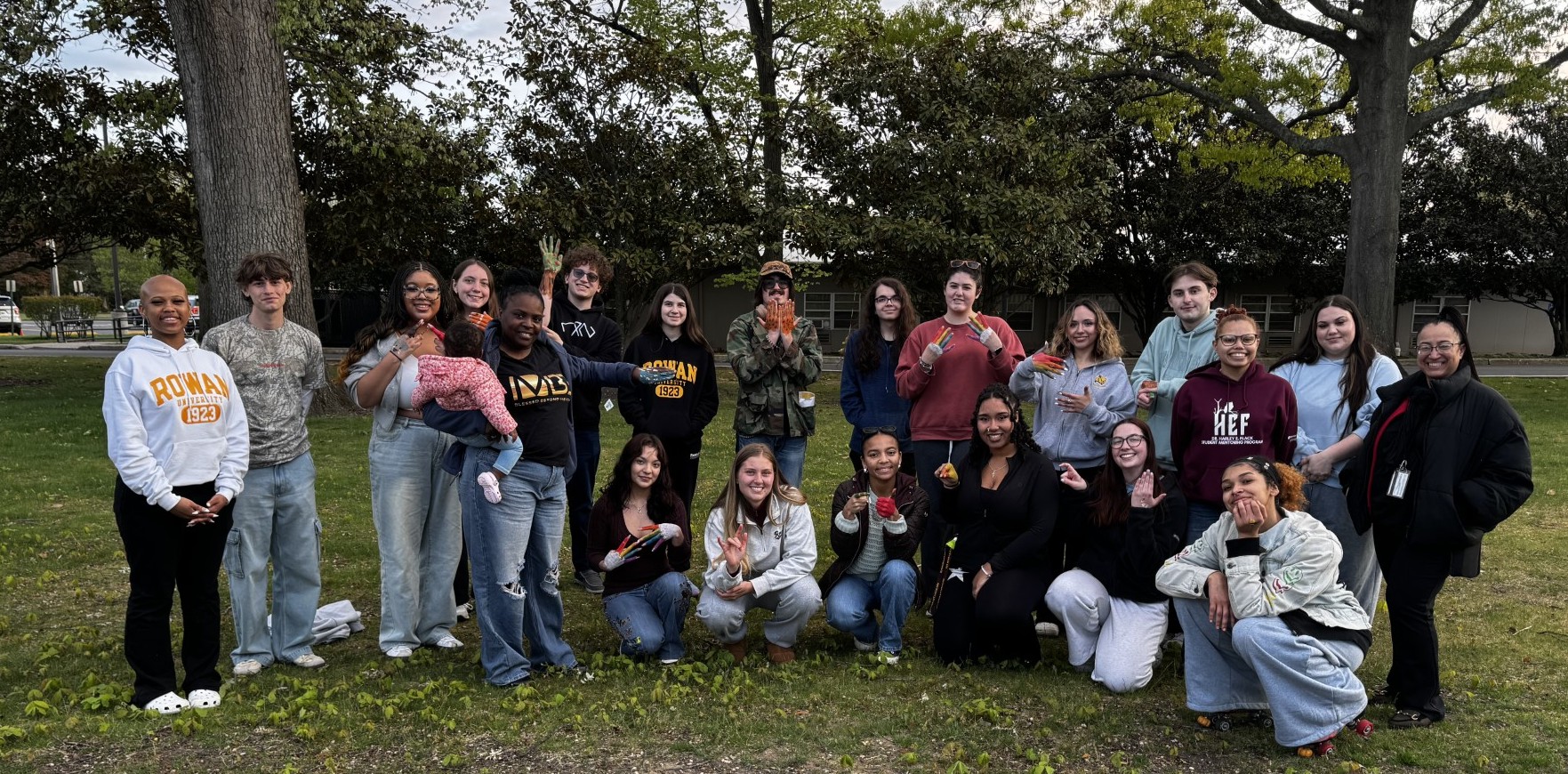
The American Sign Language program at Rowan provides students with opportunities to develop both linguistic proficiency and cultural understanding. Through ASL coursework, students explore the structure of the language, Deaf culture, Deaf history, and contemporary issues impacting Deaf communities. Students can earn a Minor in ASL after completing 18 credit hours (6 courses) of ASL coursework. Alternatively, we also offer a Certificate of Undergraduate Study (CUGS) in American Sign Language that students can obtain after completing 12 credit hours (4 courses) in ASL studies. Our ASL courses may also fulfill requirements within several other majors, minors, and certificate programs in various departments, while strengthening students' communication and cultural competencies.
Experience Deaf Culture Beyond the Classroom Learning
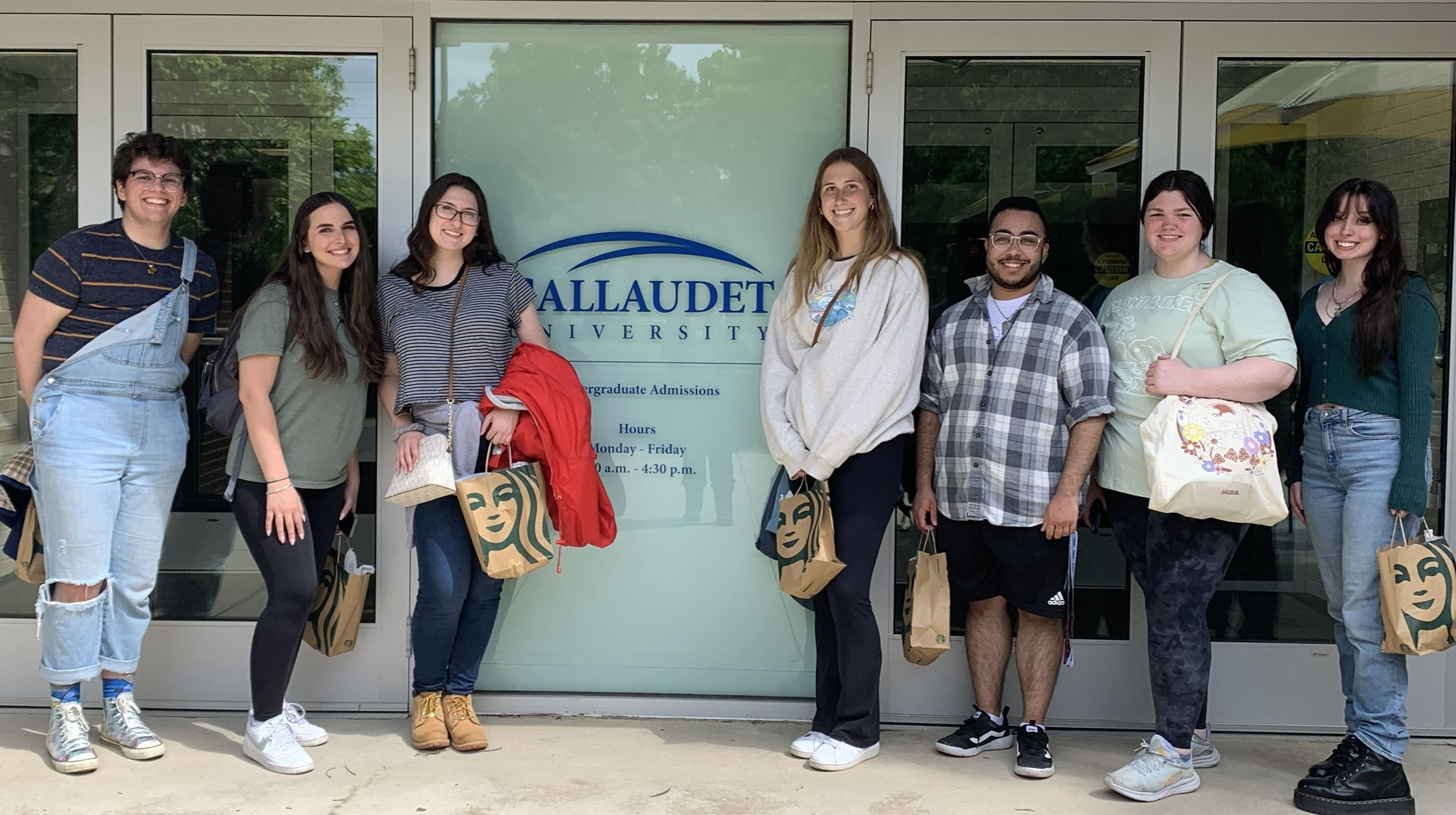
ASL extends beyond language study. Students engage with Deaf community events, cultural activities, guest speakers, and educational programs that provide authentic opportunities to use ASL and learn about Deaf experiences firsthand. Students have opportunities to participate in language immersion experiences such as trips to Gallaudet University in Washington D.C., the world's premier Deaf university where all communication takes place in signed language. Gallaudet is a landmark institution for American Sign Language, Deaf culture, and community leadership. These experiences help students develop confidence, cultural awareness, and practical communication skills in real-world settings.
Rowan University ASL Club
Rowan University hosts its very own ASL Club. It is a safe space created for everyone to learn and grow as you step foot into the Deaf community. The student-run club at Rowan University is all about inclusion rather than exclusion. No prior ASL experience is necessary to attend. The ASL Club meets weekly to practice conversational signing, develop a learning of Deaf culture, and promote accessibility awareness. The club participates in community services and campus activities that support hard-of-hearing and Deaf communities.
Why Study ASL?
ASL offers a unique opportunity to learn a visual language while gaining insight into a vibrant linguistic and cultural community. Whether you are interested in education, healthcare, psychology, communication disorders, social work, interpreting, counseling, linguistics, or simply expanding your understanding of languages and cultures, ASL can provide valuable skills that enrich both your academic experience and future career.
Join us and discover the value of learning American Sign Language. Start with Elementary ASL I and open the door to new ways of communicating, connecting, and understanding the world. If you have more questions, feel free to contact the Coordinator of American Sign Language, Dr. Melissa Rivera Screven at screven@rowan.edu, or the Department Chair, Dr. Marilyn S. Manley at manley@rowan.edu.


