Faculty Research
Faculty Research
RCHGHR Selected Publications
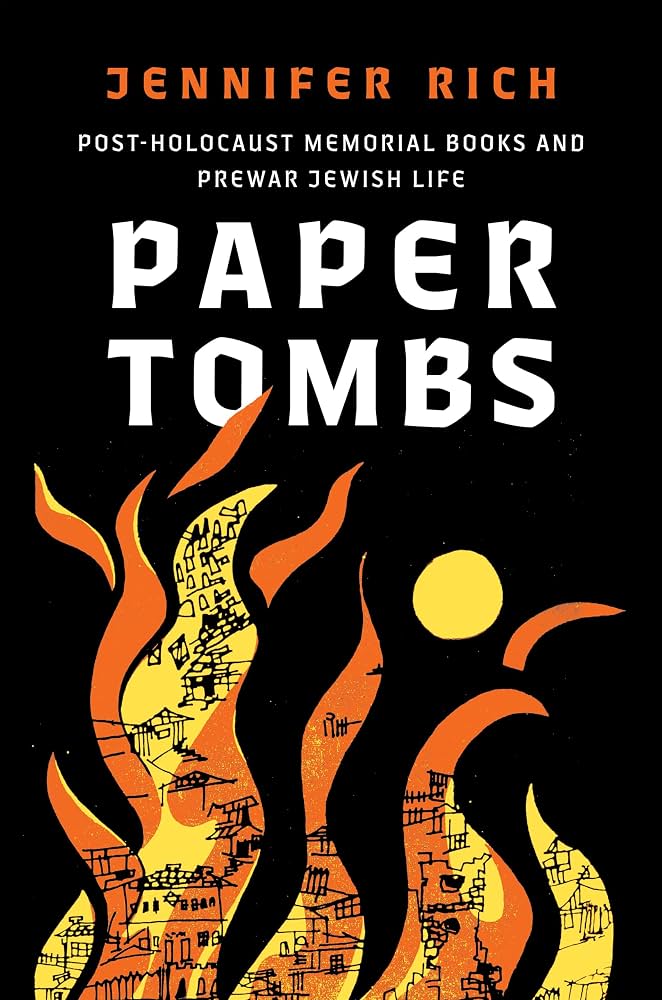 Jennifer Rich, Paper Tombs: Post-Holocaust Memorial Books and Prewar Jewish Life (2026)
In the aftermath of the Holocaust, Eastern European survivors created yizker bikher—Yiddish for “memorial books”—to honor their towns destroyed and loved ones murdered during the Second World War. Devoted to their fellow community members, these collaboratively-written volumes were one way for survivors to reclaim their lives and memories.
In Paper Tombs, Jennifer Rich argues that yizker bikher demand renewed attention. Often dismissed as nothing more than nostalgic, amateur histories, Rich showcases how these vibrant sources are exceptional accomplishments that reanimate prewar Jewish life, condemn the Germans and their local collaborators, and memorialize the people, places, and ways of life destroyed during the Holocaust.
Paper Tombs makes the case for the importance of post-Holocaust memorial books as a resource for understanding Eastern European Jewish life, reshaping our understanding of Jewish experiences following the Holocaust. Deeply researched and engagingly written, Paper Tombs recovers these largely forgotten volumes and repositions them as critically important sources that reveal the rich diversity of prewar Jewish life, the relentless cruelty wrought by the Nazi occupation of the small towns and large cities of Eastern Europe, and the ways that survivors wanted them to be remembered.
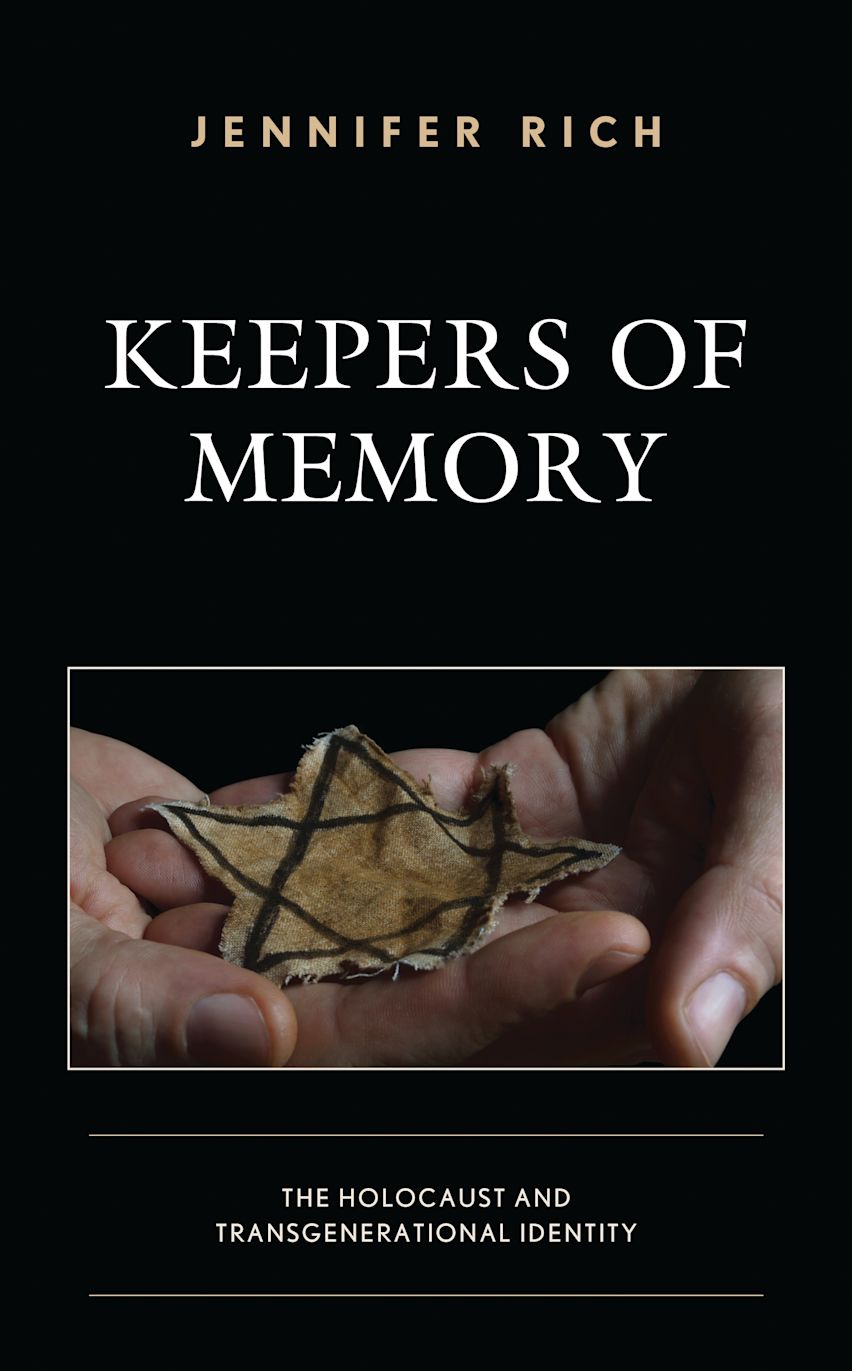 Jennifer Rich, Keepers of Memory: The Holocaust and Transgenerational Memory (2020)
Keepers of Memory answers the question of how descendants of Holocaust survivors remember the Holocaust, the event that preceded their birth but has shaped their lives. Through personal stories and in-depth interviews, Rich examines the complicated relationship between history, truth, and memory. Keepers of Memory explores topics that include how stories of survival become stories of either empowerment or trauma for the descending generations, career choice as a form of commemoration, religion, and family life. Ultimately, this work paints a compelling picture of the promises and pitfalls of memory and points to implications for memory and commemoration in the coming generations.
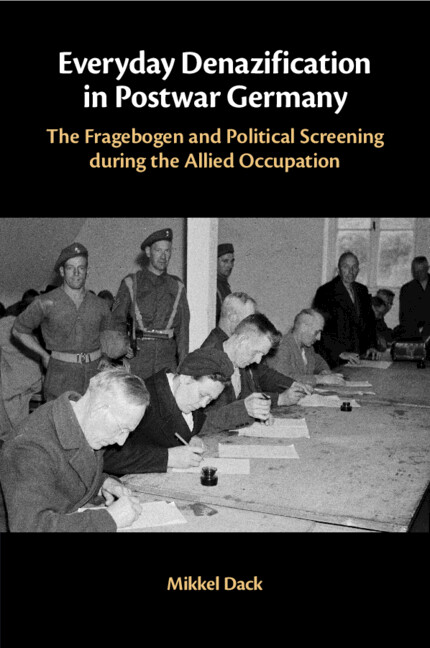 Mikkel Dack, Everyday Denazification in Postwar Germany: The Frageboden and Political Screening during the Allied Occupation (2023)
In the wake of World War II, the victorious Allied armies implemented a radical program to purge Nazism from Germany and preserve peace in Europe. Between 1945 and 1949, 20 million political questionnaires, or Fragebögen, were distributed by American, British, French, and Soviet armies to anxious Germans who had to prove their non-Nazi status to gain employment. Drafted by university professors and social scientists, these surveys defined much of the denazification experience and were immensely consequential to the material and emotional recovery of Germans. In Everyday Denazification in Postwar Germany, Mikkel Dack draws the curtain to reveal what denazification looked like on the ground and in practice and how the highly criticized vetting program impacted the lives of individual Germans and their families as they recovered from the war. Accessing recently declassified documents, this book challenges traditional interpretations by illustrating the positive elements of the denazification campaign and recounting a more comprehensive history, one of mid-level Allied planners, civil affairs soldiers, and regular German citizens. The Fragebogen functions as a window into this everyday history.
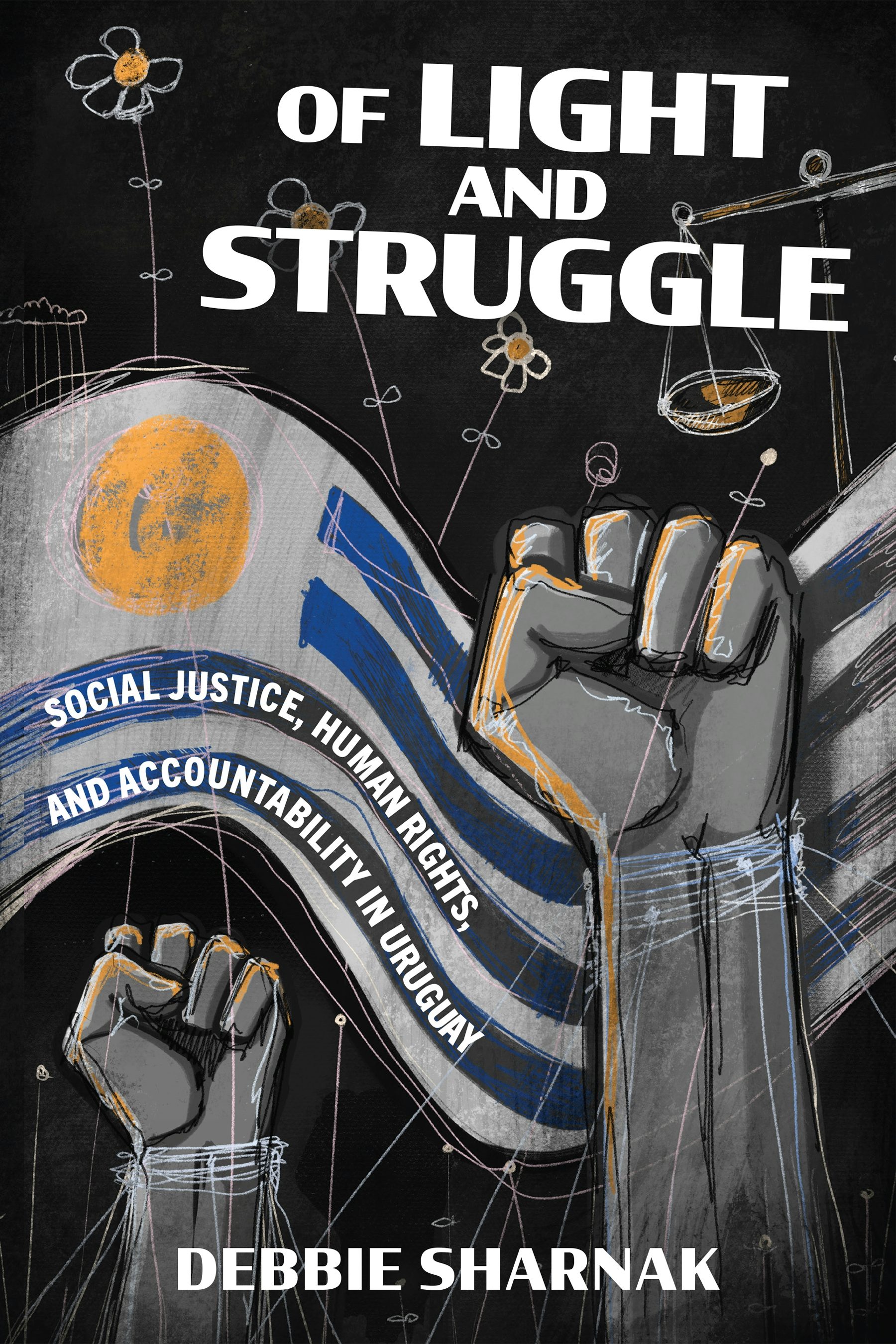 Debbie Sharnak, Of Light and Struggle: Social Justice, Human Rights, and Accountability in Uruguay (2023)
During the country’s dictatorship from 1973 to 1985, Uruguayans suffered under crushing repression, which included the highest rate of political incarceration in the world. In Of Light and Struggle, Debbie Sharnak explores how activists, transnational social movements, and international policymakers collaborated and clashed in response to this era and during the country’s transition back to democratic rule.
At the heart of the book is an examination of how the language and politics of human rights shifted over time as a result of conflict and convergence between local, national, and global dynamics. Sharnak examines the utility and limits of human rights language used by international NGOs, such as Amnesty International, and foreign governments, such as the Carter administration. She does so by exploring tensions between their responses to the dictatorship’s violations and the grassroots struggle for socioeconomic rights as well as new social movements around issues of race, gender, religion, and sexuality in Uruguay. Sharnak exposes how international activists used human rights language to combat repression in foreign countries, how local politicians, unionists, and students articulated more expansive social justice visions, how the military attempted to coopt human rights language for its own purposes, and how broader debates about human rights transformed the fight over citizenship in renewed democratic societies. By exploring the interplay between debates taking place in activists’ living rooms, presidential administrations, and international halls of power, Sharnak uncovers the messy and contingent process through which human rights became a powerful discourse for social change, and thus contributes to a new method for exploring the history of human rights.
By looking at this pivotal period in international history, Of Light and Struggle suggests that discussions around the small country on the Río de la Plata had global implications for the possibilities and constraints of human rights well beyond Uruguay’s shores.