BFA in Studio Art
BFA in Studio Art
Academic Programs
Bachelor of Fine Arts (BFA) in Studio Art
The BFA in Studio Art is a professional, studio intensive degree program for students who wish to become illustrators, designers or fine artists. The standards are high, the work is demanding, and the rewards are great. The BFA in Art degree is for students who want to develop their work to a professional level in select area(s) of study. For graphic design and illustration, the BFA is intended to provide the experience and knowledge necessary to construct a professional portfolio for employment. For the fine art student, the BFA is intended to provide the knowledge and experience necessary to develop a body of work for acceptance into graduate school or for working as a professional artist.
Areas of Study
- Animation*
- Ceramics
- Graphic Design*
- Illustration*
- Jewelry & Metals
- Painting
- Photography§
- Printmaking
- Sculpture
* Allows a Concentration to be listed in the student's BFA in Studio Art degree should they fulfill Concentration's requirements
‡ Please note, External Academic Programs Related to Art are: Biomedical Visualization BFA
§ Please note, Photography area is within the department of Radio, Television & Film and has a dedicated minor. Photography courses count towards studio credit hours required for the BFA in Studio Art.
Requirements
The BFA in Art degree requires 120-semester hours. * The credits are distributed among art major (78), general education (42 s. h.) and electives (11 s.h.). There are restricted electives (in art), art electives, distributive studio and support courses and art history requirements. The BFA program requires 42 s. h. in general education.
To enter the BFA in Art degree track, students must submit work to the BFA Application Review after successfully completing the Core Portfolio Review and three studio courses (students are expected to enroll in five courses during the 3rd and 4th semesters). Students need a 3.0 GPA in art major classes to apply for the BFA.
The BFA in Studio Art is considered to be an initial professional degree in studio art. Primarily emphasizing the development of skills, concepts and sensitivities essential to the professional artist or designer, students are taught to be productive artists. As such they will demonstrate both technical competency and a broad knowledge of art in at least two studios.
Studio experiences are of prime importance. Emphasis is placed on creating and producing art works; the development of an extensive portfolio is a basic expectation. To this end students are required to work not only in assigned studios but to spend extra time in preparation and production of art beyond assignments. Students are encouraged to produce work in an individual way meeting, as much as possible, their personal goals and objectives as well as the department's program mission. Students are expected to become familiar with major techniques and expressive directions of their selected medium(s).
Students are responsible for maintaining and developing a portfolio representative of the level of achievement throughout their study at Rowan. In the end it is the quality of the portfolio (or body of work) that will determine success. Formal evaluations are used throughout the BFA program to insure quality in student performance. It is the student's responsibility to synthesize course work into a cohesive and personal portfolio.
Note: The number of semester hours required for graduation may vary depending on the year of matriculation at Rowan University.
Studio skills will include:
- Understanding the principles and language of art and design
- Developing aesthetic solutions to design problems
- Synthesizing drawing, design and image making to a professional level
- Demonstrating proficiency in the use of materials, equipment, techniques and processes working from the original conception to the finished product
- Exploration of the expressive possibilities of a variety of media and the many modes of the artist including non-traditional and experimental images
- Developing a consistent and broad personal expression
Students are expected to be knowledgeable of contemporary art and the influences of its historical and stylistic origins from many cultures. They should be able to analyze art and understand the visual vocabulary extending such knowledge to other areas of art and related fields. They are expected to exhibit their work at every possible occasion. The Senior Thesis Exhibition will provide the BFA candidate an opportunity to summarize their experiences as student artists and to take the next step up toward a professional career.
Areas of Study
Art Education
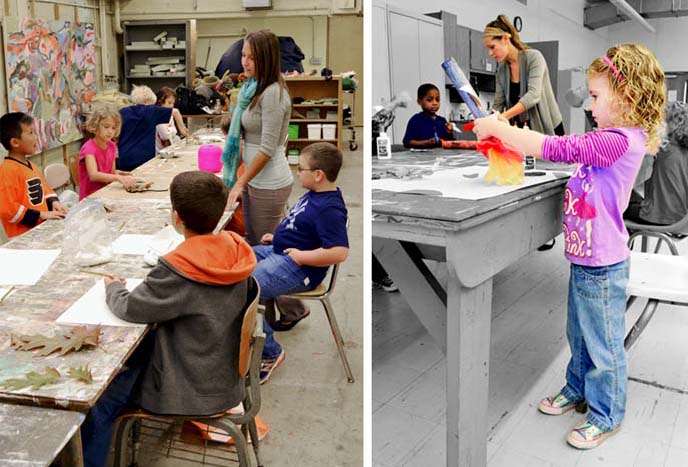
Rowan’s Art Education program is well recognized at regional and national levels by professional teaching associations. We offer a strong curriculum based on the ever-changing/evolving research in our field. Students are introduced to the latest theory and innovative teaching practices involving: Lesson and curriculum design, differentiated instruction for special needs students; instruction in how to engage children with varieties of artistic media and, developing strategies for teaching aesthetics and art criticism, art history, and assessment.
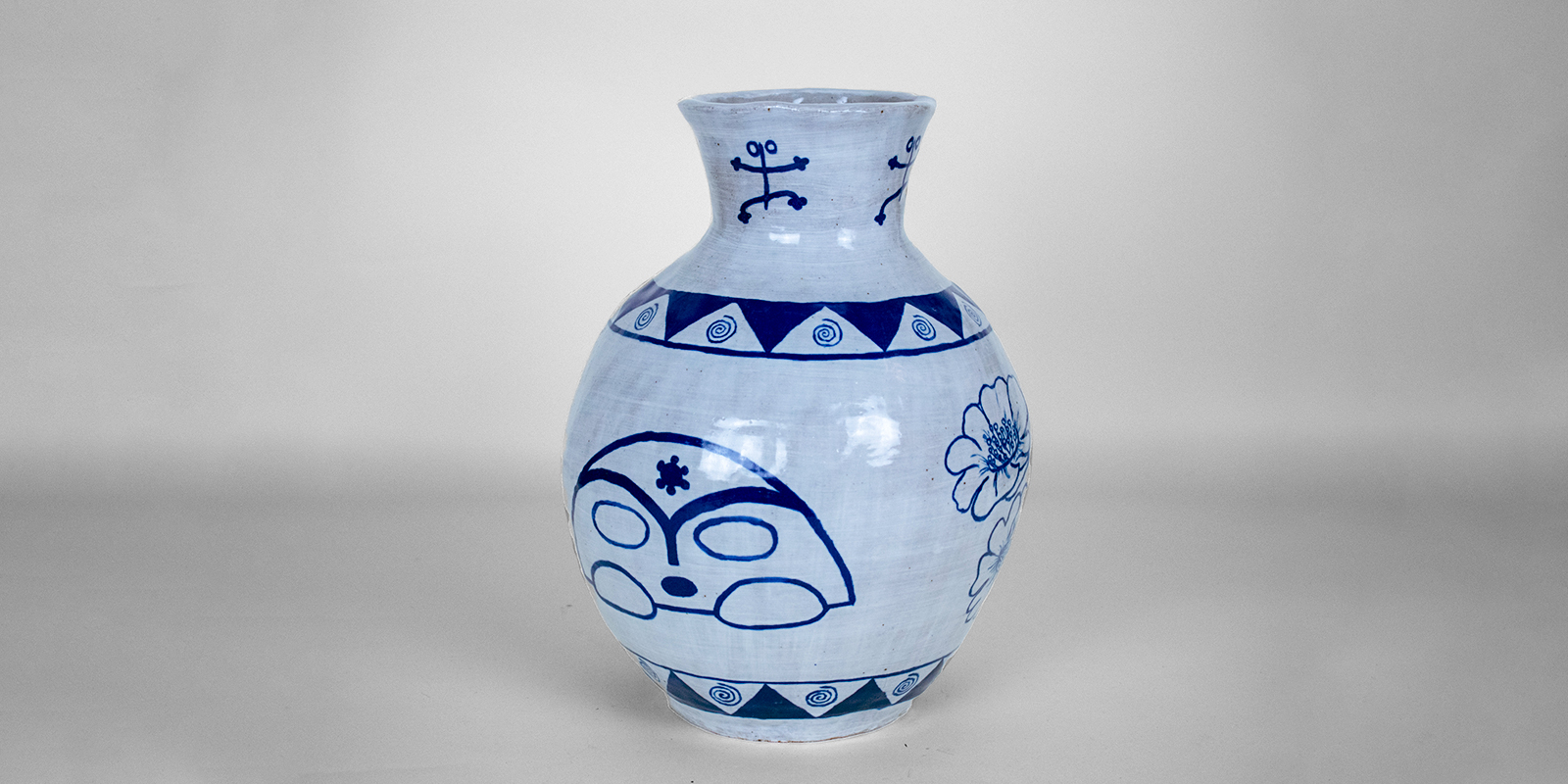
Ceramics
Our fully equipped ceramics studio provides the laboratory for aspiring entrepreneurs, designers, and art educators to learn the skills necessary for success in meeting their own career goals. Courses in the ceramics area challenge students to design and execute projects that express their unique conceptual ideas. Students in the ceramic arts create exciting portfolios of work that demonstrates mastery of basic and advanced techniques and development of their personal style.

Graphic Design
The Graphic Design area at Rowan provides a solid foundation of concepts and skills that prepares students for entry into professional design practice. Sequentially structured coursework in design, typography, and history expands their understanding of design as a process of problem solving. The students gain awareness of exciting career possibilities and diverse design applications in traditional and digital real

Illustration
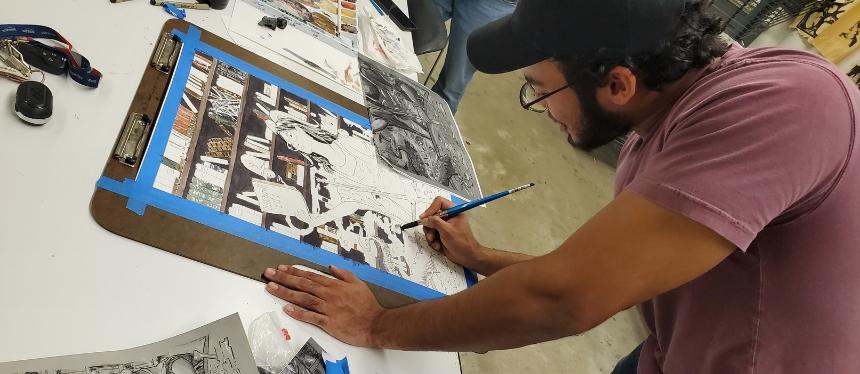
The art department offers illustration courses that enable students to develop a portfolio of work demonstrating their personal style and understanding of technical and conceptual skills necessary to compete in the job market. Assignments are presented in context of the fine arts, graphic design, web and print applications. They focus on relevant issues encouraging exploration of traditional and digital media, critical thinking skills such as the ability to communicate effectively in a professional environment, the ability to generate ideas and perform necessary research and open-minded discussion.
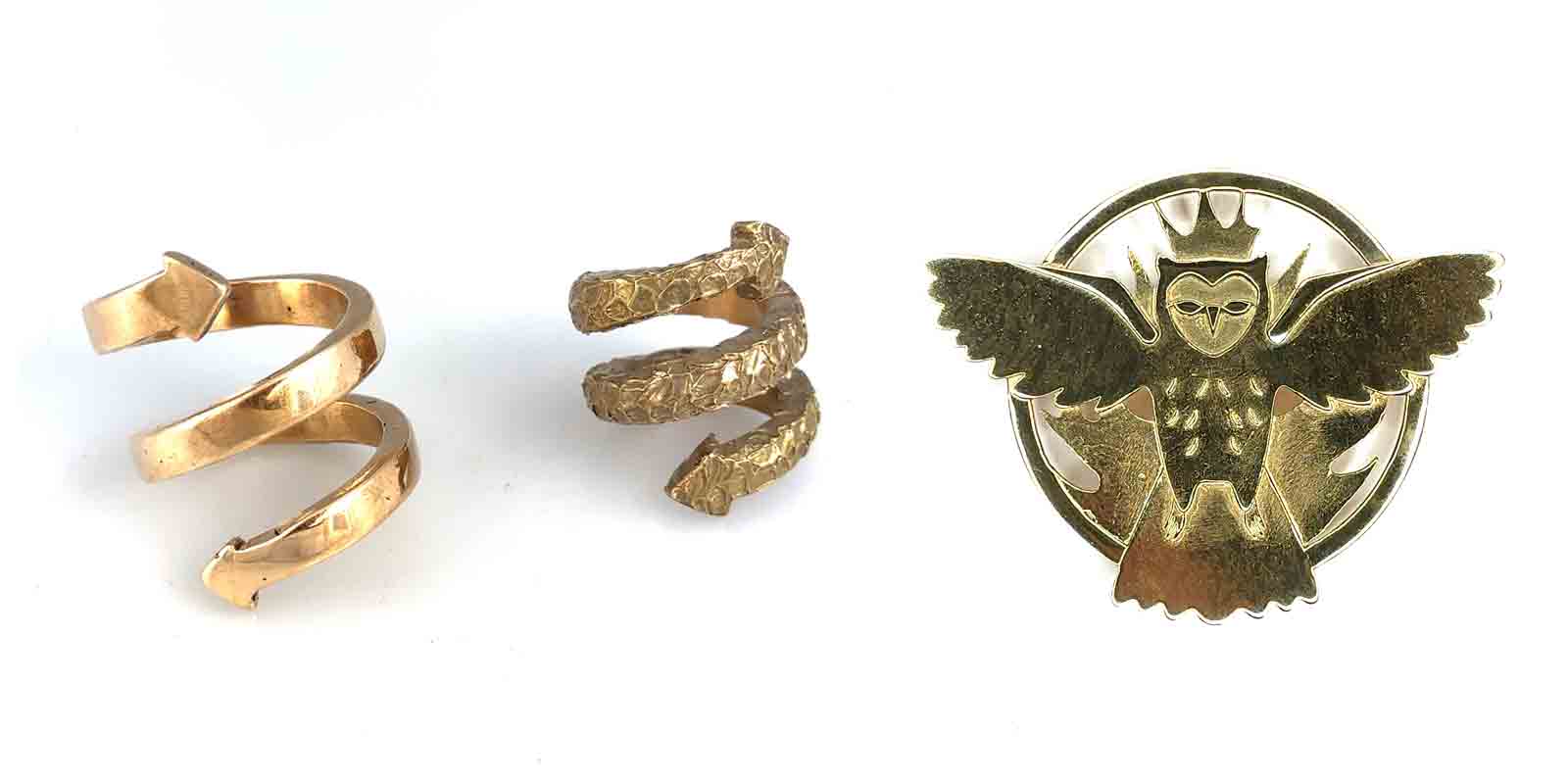
Jewelry & Metals
In Jewelry/Metals students learn a multitude of different metalsmithing techniques and concepts. In Introduction to Jewelry/Metals students learn piercing, riveting, high temperature silver soldering, small-scale fabrication, forging, and acid etching. In the next three levels of Jewelry/Metals students learn the processes of vitreous enameling, casting, and advanced forming. Along with these technical aspects students are introduced to the history of jewelry and metalsmithing as well as contemporary metalsmithing through a multitude of image presentations and readings. Throughout beginning and intermediate levels of Metals/Jewelry students are assigned projects that are guided by certain technical processes paired with a specific concept. In Advanced Metals/Jewelry students are encouraged to apply the techniques they've learned in levels I through IV and work more independently on a body of work.
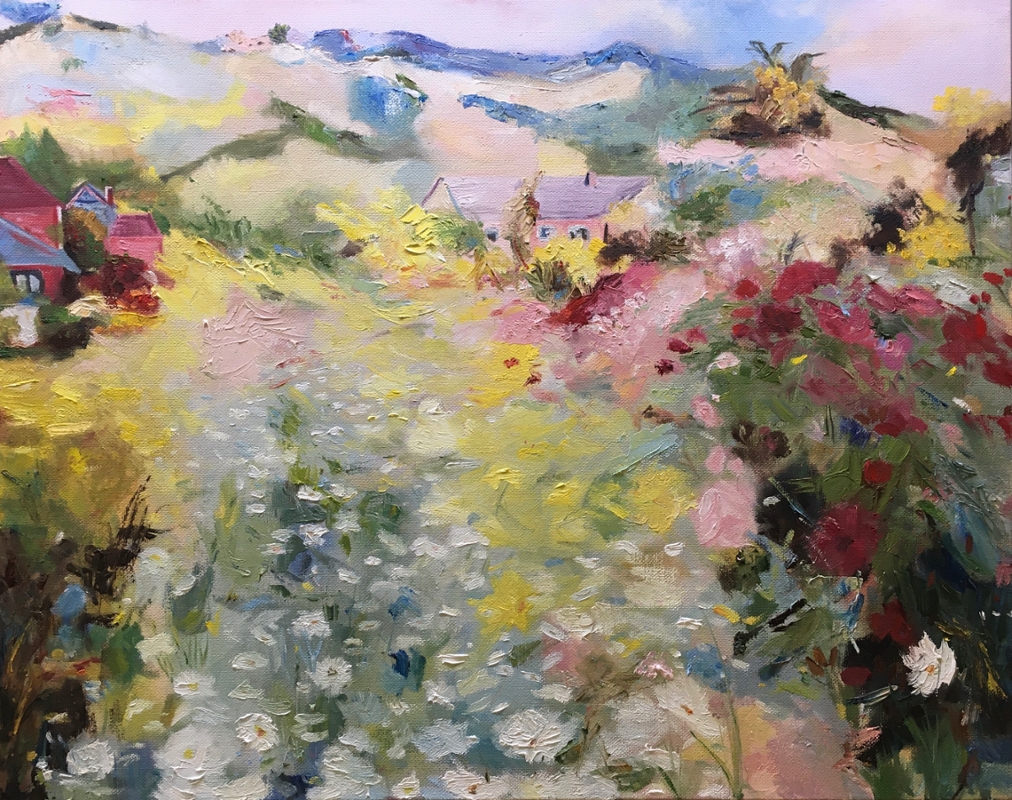
Painting
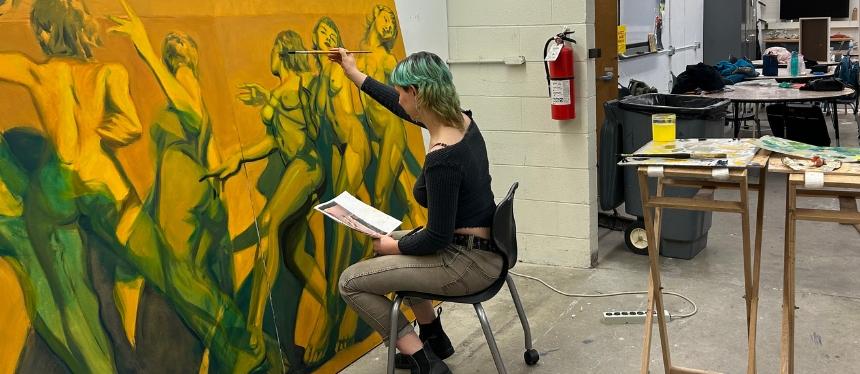
Students in painting discover personal aesthetics, developing technical expertise and creative artistic strengths to represent a consistent and cohesive expression in their work. Within the BFA program students explore their studio area in breadth and depth through a range of artistic problems. They develop bodies of work that are comprehensive and personal; as a result they are well-prepared for continuing into top MFA programs and for confidently exploring their independent work. The BA students (who often have a double major with Art and another area of study) who study painting also gain experience within the expressive medium. In the painting studio, part of the study focuses upon understanding one’s personal nature and independent vision and how one's personality shapes the creative process.
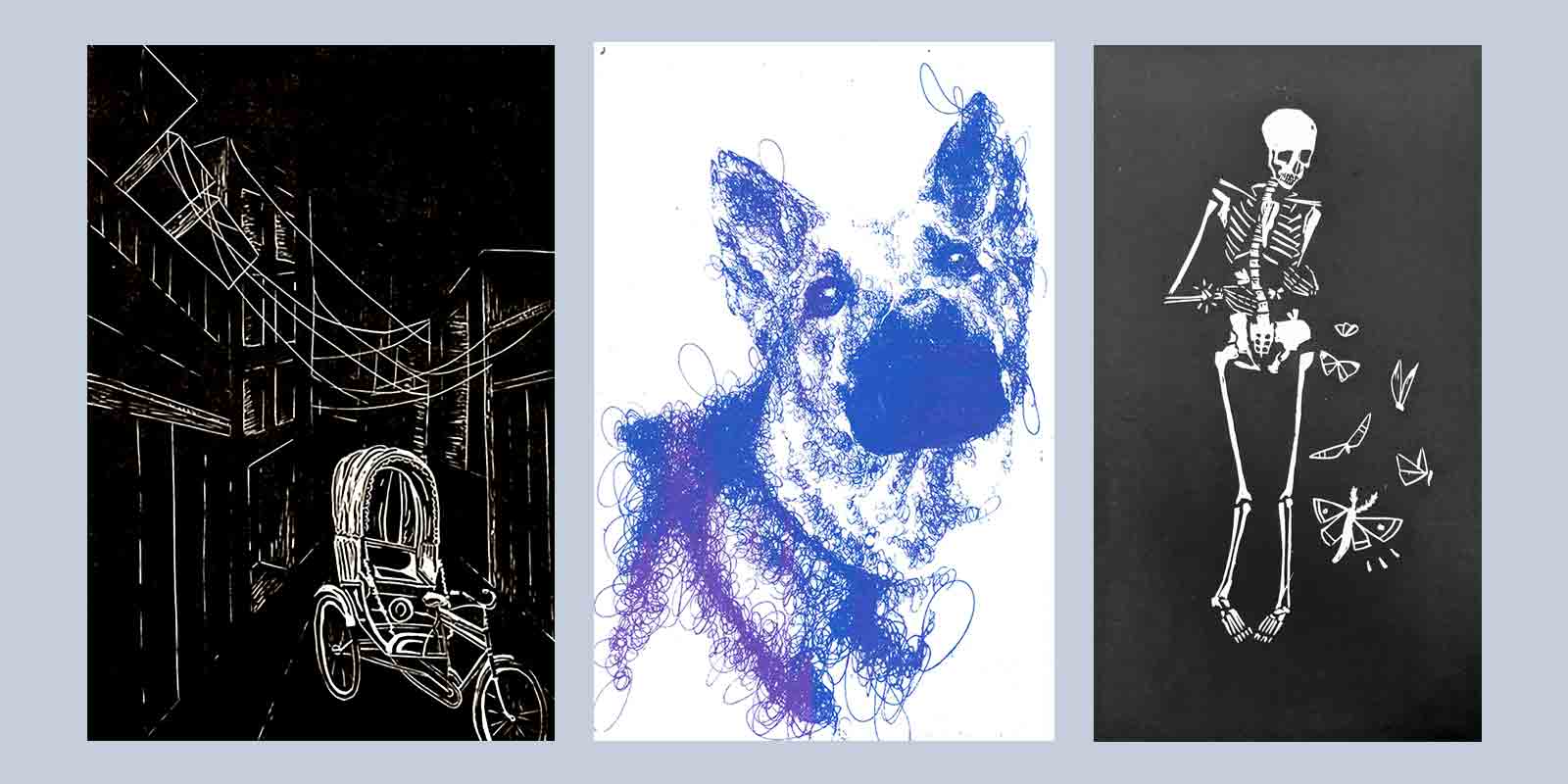
Printmaking
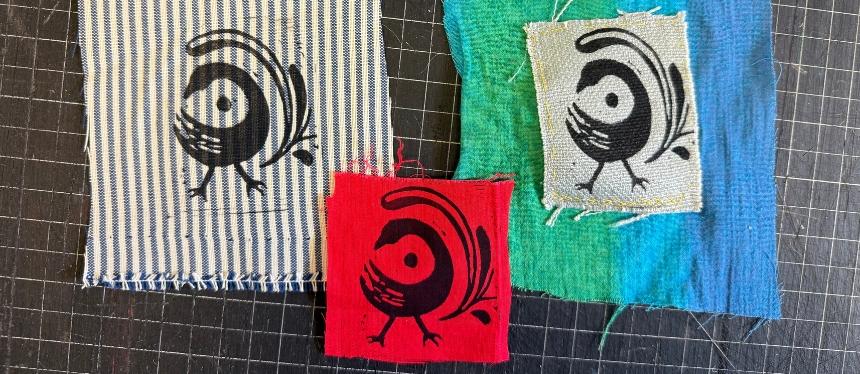
Today’s printmakers continue to interpret traditional approaches and materials but they also are challenged by new and innovative techniques of the past decade. We emphasize developing a personal approach, encouraging our students to explore a complete range of expression in new and traditional methods. Imagine yourself contributing to new methods of cultivating and developing visual concepts.
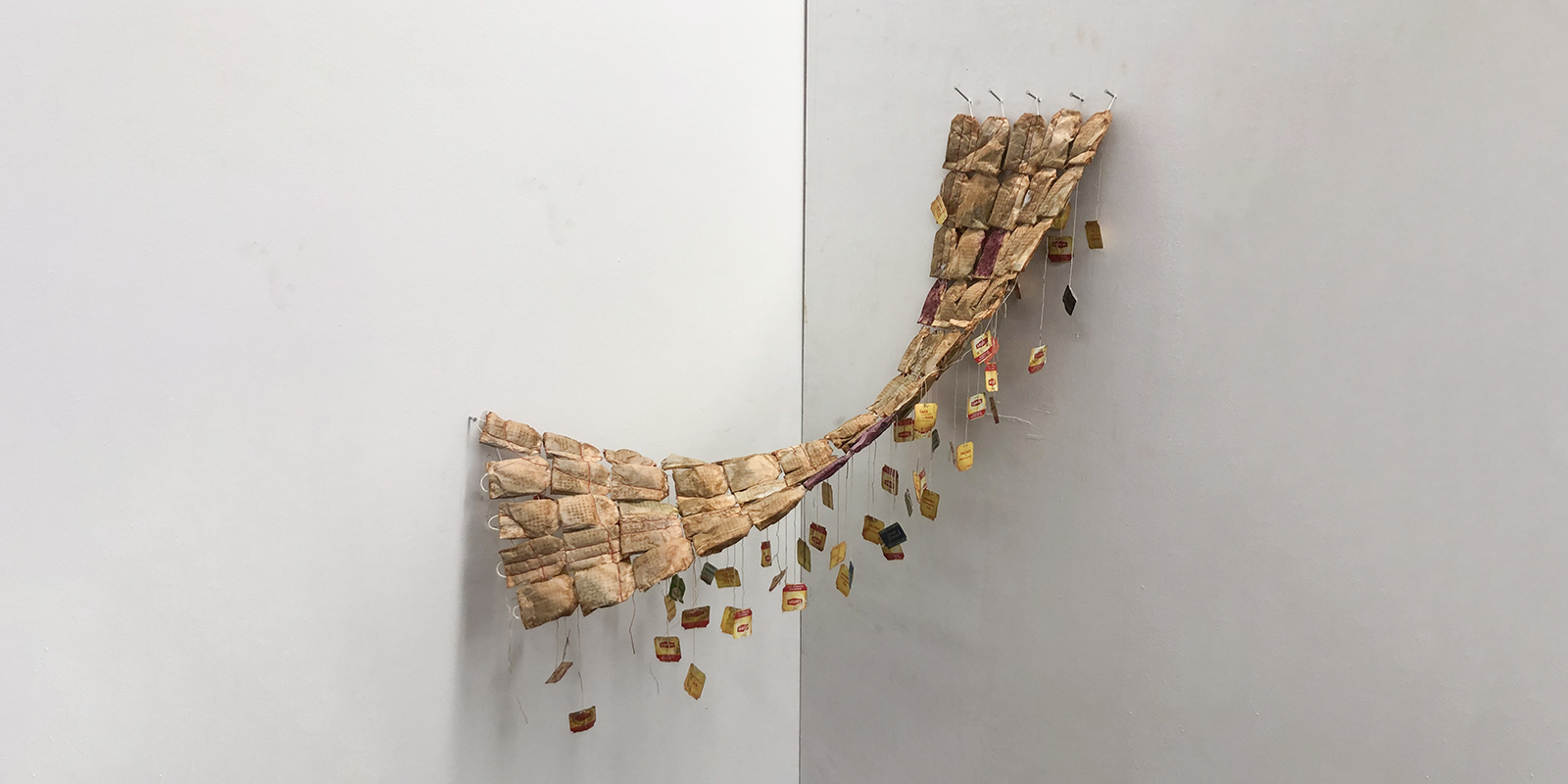
Sculpture
The sculpture area offers students an arena to develop technical competencies alongside critical and conceptual thinking. Introductory courses focus on the relationships between form and content through a variety of materials, processes and methodologies. Intermediate and advanced courses provide a platform for further development of students’ individual relationships with the creation of sculptural form and personal concepts. Interdisciplinary approaches to making are encouraged in the area and the history of art is taught as a tool to highlight works of historical and cultural importance. Our large studios include a fully equipped wood shop, metal fabrication/welding shop, plaster and mold making studio, and an indoor foundry for casting aluminum and bronze. The area also offers students the opportunity to utilize digital fabrication equipment such as a 40-watt epilog laser cutter and the 3D printing lab.